

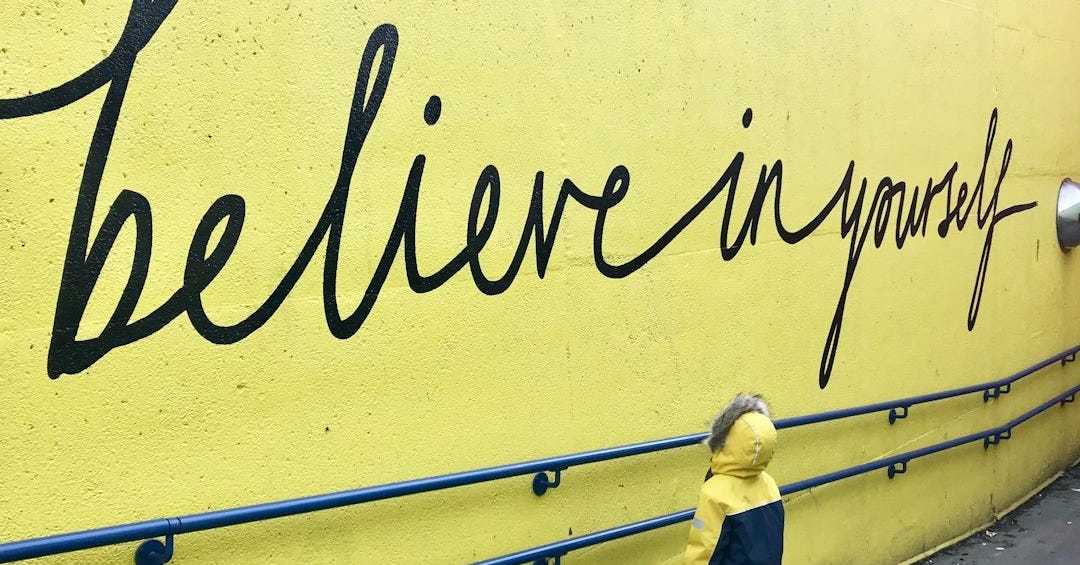
I told everyone that words didn’t matter to me.
When Gary Chapman’s Five Love Languages became popular and everyone was taking the quiz, ranking their preferences, I consistently put words of affirmation dead last. Physical touch? Sure. Quality time? Yeah, that’s important. Acts of service? Definitely. But words?
No. Words didn’t matter. I didn’t need them.
Except that was a lie I’d been telling myself for decades.
Here in my therapy office, virtually connecting with women across the country, I see this pattern repeatedly. A client will tell me she doesn’t need verbal recognition. She’s fine without compliments. She doesn’t require acknowledgment for her efforts.
And then we dig a little deeper, and the truth emerges: It’s not that she doesn’t need words of affirmation. It’s that she’s been so wounded by words that she’s built an entire defense system around pretending they don’t matter.
That was me. I was guarding my heart by denying what it needed most.
The words that had been said to me over the years weren’t just critical. They were devastating. I’d been called names that cut deep. Told things that made me question my right to exist. The scroll of harmful words was long and brutal.
So somewhere along the way, I decided the safest thing to do was to pretend words held no power over me at all.
If I didn’t need verbal affirmation, then I couldn’t be hurt by the absence of it. If I didn’t care about praise, then the criticism couldn’t touch me. If words didn’t matter, then I was safe.
But here’s what I’ve learned: Denying a need doesn’t make it go away. It just makes you more vulnerable to being devastated when someone offers you a crumb.
My husband and I are ridiculous with customer service. We’ll leave Disney cast compliments constantly. We notice when someone remembers our names. We’re overly grateful when someone goes slightly out of their way to help us.
For years, I thought this was just being kind. But my husband has his own story of neglect, and I have mine, and we both react to good customer service as though we’re being seen for the first time.
We’re treating paid customer service like it’s extraordinary because we’re so starved for basic acknowledgment.
The recognition came when I had to have an honest conversation with my husband. I had to say something that felt embarrassing and vulnerable: “I don’t get verbal praise. Women can be harsh. They don’t praise each other. I don’t have a mom doing that. I don’t have family doing that. I need you to check in with me. I need you to tell me I’m doing well. I need you to be in my cheering section.”
It felt silly to ask. It felt needy. It felt like admitting a weakness.
But here’s what I’ve learned through my own therapy and through working with hundreds of women: Asking for what you need isn’t weakness. It’s the only way to get your needs met.
The reflection process was painful. I had to look at how I’d been giving what I needed, offering verbal praise constantly to others, checking in, telling people they were doing great, while simultaneously denying that I needed any of that in return.
I had to acknowledge that when someone I truly believed in gave me genuine verbal affirmation, I would hold onto it like gold. That crumb of praise would sustain me for months because I was so unused to receiving it.
And I had to face the fact that being authentic and dismissing the praise people tried to give me, because I didn’t trust their authenticity, was another way of protecting myself from needing what I desperately wanted.
The renewal came when I started telling safe people what I actually needed. Not everyone. I’m not going to ask people who’ve shown me they can’t give this to suddenly change. But the people who genuinely care about me? They needed to know.
“This feels silly to say, but I need verbal praise. I need check-ins. I need you to tell me when I’m doing well because I don’t have anyone else doing that, and I’m realizing how much I need it.”
The vulnerability was terrifying. What if they thought I was too needy? What if they couldn’t give it to me? What if I admitted the need and still didn’t receive it?
But you know what happened instead? The people who loved me stepped up. My husband started checking in more intentionally. My close friends started offering the verbal affirmation I’d been pretending I didn’t need.
And I started healing from decades of word-wounds because I finally let myself receive the medicine I’d been refusing.
The rise has been learning to distinguish between genuine affirmation and empty flattery. Learning to receive praise without immediately discounting it. Learning to ask for what I need without shame.
Now when I work with clients who say they don’t need words of affirmation, I gently challenge them: Is that true, or is that protection? Have you really examined whether words matter to you, or have you just decided it’s safer to pretend they don’t?
Because here’s what I know: Most of us who say we don’t need verbal praise are actually the ones who need it most.
We’re the ones who’ve been wounded by words, so we built walls around that vulnerability. We’re the ones giving constant affirmation to others because we’re starving for it ourselves. We’re the ones who light up at the smallest genuine compliment but pretend it doesn’t matter.
If you’ve been hurt by words, if you’ve been called names, criticized relentlessly, told you’re not enough, then of course you developed a defense mechanism around verbal affirmation. That makes complete sense.
But that defense mechanism is costing you the very thing you need to heal.
Your invitation this week:
Think about the last time someone gave you genuine praise or verbal affirmation. Did you dismiss it? Discount it? Deflect it? Or did you let yourself really receive it?
Consider whether you’ve been denying a need for words of affirmation because you genuinely don’t need it, or because you’re protecting yourself from the pain of needing something you’re not sure you’ll receive.
If you have safe people in your life, practice saying something vulnerable: “I’m realizing I need verbal affirmation more than I thought. It would mean a lot to me if you could check in with me or let me know when you see me doing something well.”
It will feel scary. It will feel needy. Do it anyway.
Related reading:
You’re allowed to need what you need. Even if, especially if, it’s the thing that once hurt you most.
With love and light,

A few friendly notes: Client names are always changed to protect privacy. This newsletter may contain affiliate links to products I genuinely love and use myself. While I'm a licensed therapist, this content is for educational purposes and isn't medical advice - think of it as a conversation with a friend who happens to know about mental health. For personalized support, always consult your healthcare provider.