

My son was giving me one-word answers at dinner, his shoulders hunched, clearly upset about something.
That’s when I said the word that makes my family both groan and pay attention: “Repair.”
“Hey, buddy. We need to repair,” I told him. “What’s going on?”
In our house, repair isn’t optional. It’s not something we do when we feel like it or when it’s convenient. It’s a non-negotiable family value, and it’s one of the most important things my husband and I have built into our family culture.
Because both of us know what it’s like to grow up in homes where repair never happened.
My husband and I came from different backgrounds, but we shared one crucial similarity: We both experienced neglect. Different types, different expressions, but the same fundamental absence of emotional connection and repair.
In his family, if something was wrong, you just didn’t talk about it. You moved on. You pretended it didn’t happen. Emotions weren’t processed. They were buried.
In mine, conflicts either exploded or disappeared, but they were never actually resolved. There was no sitting down and working through what happened. There was no acknowledgment of hurt feelings or attempts to make things right.
We both learned that when relationships got hard, you either fought or you froze, but you never repaired.
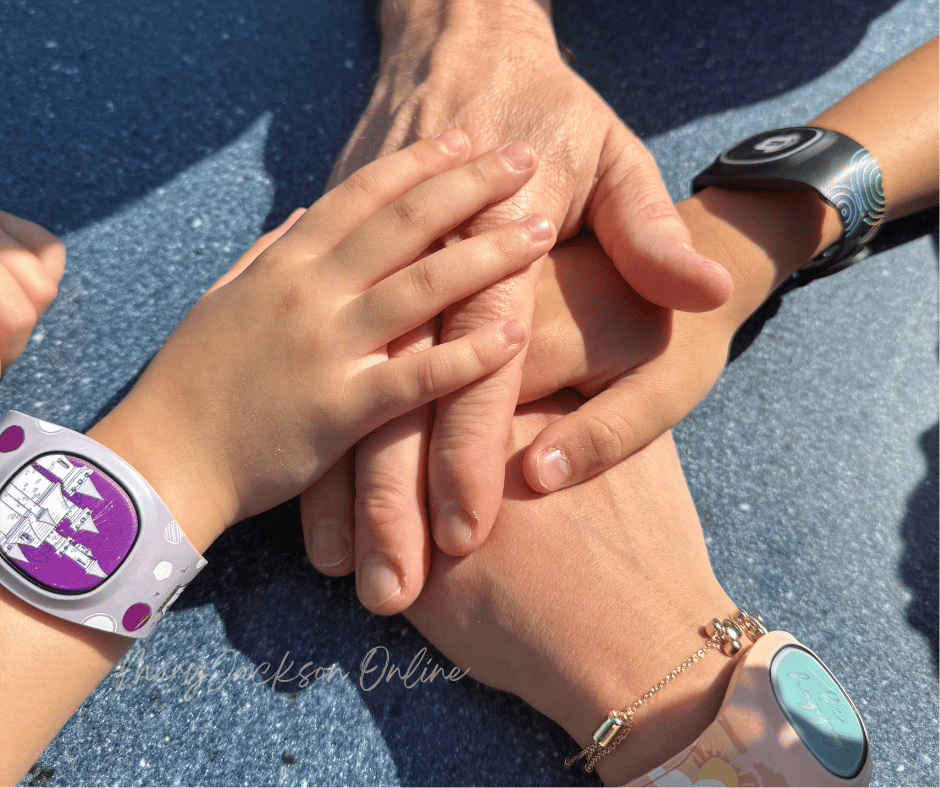
So when we started our own family here in Arizona, we made a conscious decision: Our kids would grow up knowing what repair looks like. They would understand that conflict doesn’t mean disconnection. They would experience what it feels like to work through hard things and come out closer on the other side.
The rule is simple but firm: We don’t let hurt feelings fester.
If someone’s upset, if there’s been a conflict, if feelings are hurt, we name it and we repair. We don’t pretend it didn’t happen. We don’t hope it blows over. We address it directly, usually the same day.
Repair means acknowledging what happened and addressing it directly.
Sometimes repair looks like an apology. Sometimes it looks like a conversation about what each person needs. Sometimes it’s just sitting together and talking through what went wrong.
But it always involves actually engaging with the hurt instead of avoiding it.
My kids know this language intimately. They’ve heard me say, “You need to repair with your dad right now” more times than I can count. They’ve heard, “We need to repair this situation” when there’s tension at the dinner table.
And here’s what’s beautiful: They’re learning that it’s okay to name when something feels off.
My ten-year-old will come to me now and say, “Mom, I’m upset about something.” That might seem small, but for a kid to be able to name their feelings and know they’ll be heard? That’s huge.
They’re learning that relationships require maintenance, and that maintenance isn’t shameful. It’s how love actually works.
The recognition for me came when I realized how much energy I was spending teaching clients about repair in my practice while sometimes neglecting it in my own home. I could help a client see how avoiding difficult conversations was damaging her marriage, but then I’d let something slide with my kids because I was tired or busy.
That cognitive dissonance had to end. If I believed repair was essential, and I do, then I had to practice it consistently, even when it was inconvenient.
The reflection was understanding why repair matters so much to me.
When you grow up in a home where repair doesn’t happen, you learn some devastating lessons:
Your feelings don’t matter enough to address
Relationships are disposable when they get hard
Conflict means permanent damage
You’re on your own to process hurt
Connection is conditional on everyone pretending to be fine
These lessons follow you into adulthood. They show up in your friendships, your romantic relationships, your parenting. They whisper that it’s easier to just move on than to do the hard work of actually working through things.
But I didn’t want my kids learning those lessons. I wanted them to learn different ones:
Your feelings matter and deserve to be addressed
Relationships get stronger when you work through hard things
Conflict is normal and doesn’t have to mean disconnection
You’re not alone in processing hurt. We do it together
Connection is maintained through honest communication, not pretending
The renewal came in making repair a consistent practice, not just an occasional intervention.
Now it’s woven into our family rhythm. If there’s tension at breakfast, we address it that day. If someone’s feelings got hurt in the morning, we’re talking about it before bedtime. If there’s distance developing, we name it and close the gap.
This doesn’t mean we’re constantly having heavy conversations. Most repairs are quick: “Hey, I think I hurt your feelings earlier. I’m sorry. Are we okay?” “Yeah, thanks for saying something. We’re good.”
But even those quick repairs matter. They’re teaching my kids that relationships require attention, that hurt doesn’t have to fester, that it’s safe to address things directly.
The rise has been watching my kids develop emotional intelligence that I didn’t have at their age, or honestly, didn’t have until well into adulthood.
They know how to say, “My feelings are hurt.” They know how to identify what they need. They know that if something feels off in a relationship, that’s information worth paying attention to, not ignoring.
And they know that repair is an act of love, not a burden.
Here’s what I want you to understand: If you grew up in a home without repair, you probably default to one of two extremes. Either you avoid conflict entirely, hoping things will just blow over, or you blow up in the moment and then move on without actually resolving anything.
Both are defense mechanisms. Both leave damage unaddressed. Both teach the people around you that they’re on their own to process hurt.
But repair, actual, intentional repair, breaks that cycle.
Your challenge this week:
Think about your current relationships. Are there unresolved hurts that have been sitting unaddressed? Things you’ve been hoping would just blow over?
What would it look like to initiate repair? Not to rehash everything or assign blame, but to say, “I think there’s something between us that needs attention. Can we talk about it?”
If you have kids, start teaching them the language of repair. When there’s conflict, don’t just move past it, model working through it. Use the word “repair” so they learn that fixing relationship ruptures is normal and expected.
And if you’re in a relationship where repair consistently doesn’t happen, where hurt is expected to be swallowed or ignored. That’s important information about whether that relationship is serving your growth.
More on building healthy relationship patterns:
Embracing the Art of Receiving: Cultivating Self-Worth & Balance
Creating a Healthier Environment: Using the Gray Rock Method to Prioritize Well-being
Repair isn’t optional. It’s how we show the people we love that they matter enough to work through the hard things.
Until next week,

A few friendly notes: Client names are always changed to protect privacy. This newsletter may contain affiliate links to products I genuinely love and use myself. While I'm a licensed therapist, this content is for educational purposes and isn't medical advice - think of it as a conversation with a friend who happens to know about mental health. For personalized support, always consult your healthcare provider.
Thank you so much for this!
This is great
Some times it takes a long time to start talking about something or like you said never talk about it. This is a great way to start the conversation about our feelings
Thank you 🥰