

Not a dramatic one. Not the kind you’d notice from the outside. Nobody would have looked at my life and said, “She’s struggling.” I was productive. I was showing up. I was building a career I was genuinely proud of.
But there was this thing I kept doing, or, more accurately, not doing.
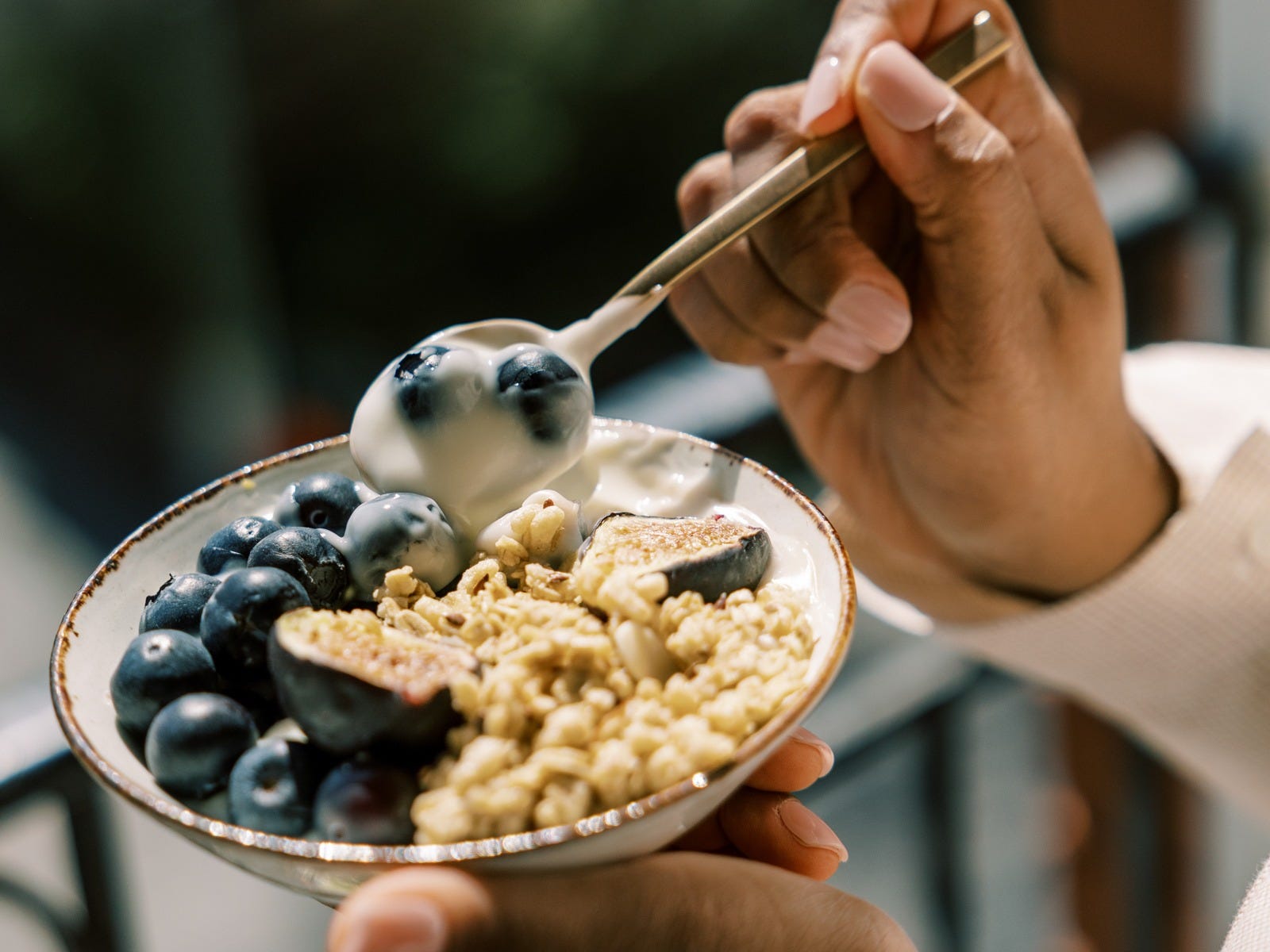
I wasn’t eating when I was hungry. I wasn’t taking breaks when my body asked for them. I’d look up at 2pm and realize I hadn’t gone to the bathroom since morning. Not because I was too busy, because somewhere deep down, I didn’t feel like my basic needs were worth interrupting whatever I was doing.
I’d skip picking up dinner on the way home even though the fridge was full and I was exhausted. I’d tell myself I’d eat later, rest later, take the break later. Later never came. And I never questioned it.
Here’s what I’ve learned, both in my own life and sitting across from hundreds of women in my work: this pattern is everywhere. And it almost always has the same origin story.
When you grow up in an environment where your emotional needs weren’t consistently met, where asking for something felt risky, where being “low maintenance” felt like the safest way to be loved, you develop scripts. Inherited beliefs that run so quietly you mistake them for your own voice. Scripts like: I don’t need that much. I’m fine. Other people have it worse. I shouldn’t make this a big deal.
Those scripts don’t disappear when you grow up. They just get dressed in adult clothes. They show up as skipping meals. Ignoring exhaustion. Saying yes when your whole body is saying no. Not because you don’t know better, but because you were never taught that your needs were worth tending to in the first place.
“Self-compassion is recognizing your needs, because when you had a need and it was dismissed, you learned to stop expressing needs altogether.”
I see this with the women I work with all the time. Women who are brilliant at caring for everyone else but cannot, will not, give themselves the same permission. Permission to rest. Permission to eat the meal. Permission to walk away from the conversation. Permission to say, “I need five minutes.”
Most children who feel unsafe stay quiet and stay small. They don’t want attention. They learn that taking up space is dangerous. And then those children grow up into women who still operate from that same survival playbook, even when the danger is long gone.
The pivot isn’t complicated. It’s just uncomfortable at first.
It sounds like: “Of course I should take care of my basic needs.” Said out loud, to yourself, like you mean it. It sounds like a permission slip, not from anyone else, but from you to you. Permission to stop earning the right to rest. Permission to stop waiting until you’ve done enough to deserve lunch.
Recognizing this pattern didn’t fix it overnight. I still catch myself. But seeing it, really seeing it, was the beginning. Because you can’t change a script you don’t know you’re reading from.
This month on The Tuesday Pivot, we’re talking about patterns. The ones we run on autopilot. The ones we inherited. The ones that kept us safe once but are keeping us stuck now. And the permission to finally break them. 🧠
newsletter | community | about

A few friendly notes: Client names are always changed to protect privacy. This newsletter may contain affiliate links to products I genuinely love and use myself. While I'm a licensed counselor, this content is for educational purposes and isn't medical advice, think of it as a conversation with a friend who happens to know about mental health. For personalized support, always consult your healthcare provider.

Your Pivot Prompt ✨
What’s one thing you do on autopilot that you’ve never actually questioned?
Leave a comment, I’d love to hear what comes up for you. 💛

When you’re ready, here are 2 ways to go deeper:
📄 Want a place to start? Download Five Permission Slips, my free guide to the five things you are allowed to stop waiting for. Subscribe for instant access.
🧡 Ready for the full experience? The Intentional Life is where women go deeper: monthly workshops, live Q&As, therapy guides, and a community that actually gets it. Join now.