

The Day I Stopped Apologizing for Wanting a Beautiful Life
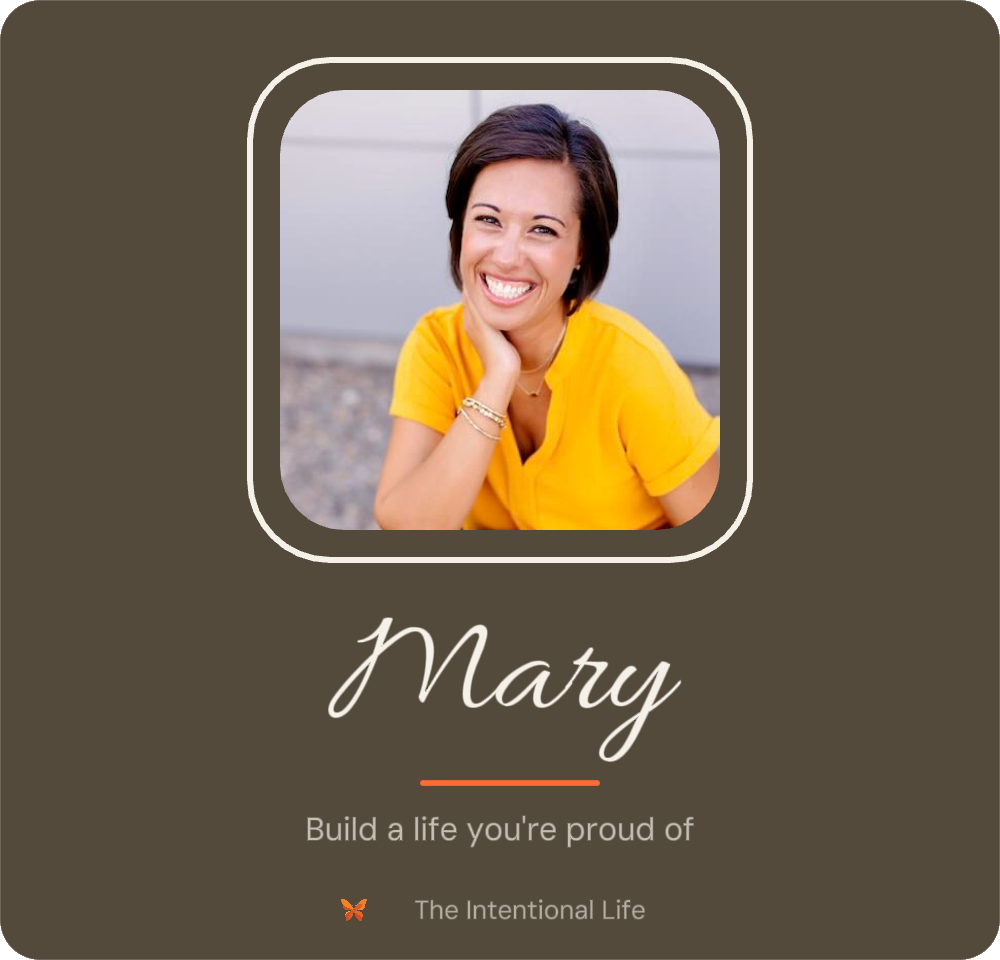
Mary's personal story about guilt and wanting more

May is when desert plants bloom fiercely, unrestrained by oversight. The cactus doesn’t seek permission before unfolding its spines, and the desert rose doesn’t apologize for casting vibrant colors across the arid landscape. Nature doesn’t negotiate its own resilience. I think there’s a lesson in that, worth reflecting on.
I remember the exact moment I gave myself permission to want things.
It wasn’t in therapy. It wasn’t in a book. It was in a parking lot at Disneyland, and it was the most ordinary permission I’d ever needed to give myself.
We were getting our annual passes, one of those decisions I kept pushing back because part of me thought it was too much. Too expensive for “just a fun thing.” Too indulgent when there were bills to pay and “real” priorities to focus on. Too nice for someone like me who grew up thinking nice things were for other people.
But my daughter asked. And I’d already said no a dozen times. And something inside me finally cracked open.
I bought the passes. And I cried in the car.
Not because of the money. Because of what it meant. It meant I was finally saying: “My family deserves this. I deserve this. It’s okay to want something beautiful and make it happen.”
Looking back now, I realize that decision wasn’t about Disneyland at all. It was about giving myself permission to want a life that felt good. Not just functional, but actually good.
I grew up believing something I never questioned: That good things were for other people. That wanting them was selfish. That the responsible move was to play small, want less, take what you’re given and be grateful for it.
Nobody told me this directly. But I learned it in a thousand small ways. In the conversation where my parent made a choice for themselves and I watched everyone else suffer the consequences. In the unspoken belief that love meant self-sacrifice. In the idea that the most noble thing you could do was want nothing for yourself.
So I spent years being very good at wanting nothing.
Then one day I realized: I’d become an expert at living for approval instead of living for myself.
And the women I work with? They tell me the same story. Over and over. “I feel guilty for wanting more. For having nice things. For taking up space with my dreams.” They apologize for wanting to be paid fairly. For needing time alone. For saying no. For asking for help. For building something that’s just for them.
It’s like we inherited this belief that our desires are selfish by default. That wanting a beautiful life means someone else has to suffer. That abundance is a pie where your slice makes someone else’s slice smaller.
But what if that’s not true?
What if the most selfish thing you can do is abandon your own life to make everyone else comfortable?
Here’s what changed for me: I realized I was modeling something for my daughters. I was teaching them, without words, that being a woman meant shrinking. Wanting less. Apologizing for existing. Prioritizing everyone else’s comfort over your own aliveness.
And I decided I didn’t want that to be their story.
So I started with small permissions. The Disneyland passes. Taking an hour for myself without guilt. Saying no without over-explaining. Buying the coffee I actually wanted instead of the cheapest option. Getting the painting for my office that made me happy, even though it wasn’t “practical.”
Small permissions. One at a time.
And something shifted.
You can be humble and still deserve amazing things.
You can be generous and still honor your own desires. You can be a good person and want a beautiful life. Those things aren’t in conflict. They’re in conversation.
The permission to want more isn’t selfish. It’s actually an act of courage. Because it means you’re finally saying: “My life matters. My desires matter. I matter.”
And when you say that about yourself, you start modeling something different for the people around you. You show them they matter too.
And if you don’t know what you want yet? That’s okay too. Some women have been disconnected from their desires for so long that the answer isn’t available on demand. If that’s you, you’re not behind. You’re at the beginning. Being open to not knowing is its own kind of permission slip: it says, I trust that the answer will come when I’m still enough to hear it.
Try this: take five minutes outside this week, just you and the May air, and ask yourself quietly: What do I actually want? Don’t force an answer. Just listen. Sometimes our desires won’t speak to us when we’re running. They wait for us to be still. Prayer, meditation, a slow walk, whatever gets you quiet enough to hear yourself think. That’s where the wanting lives.
If this resonated, if you’ve been quietly wanting something and denying yourself permission, The Intentional Life is a community of women doing exactly this work. Not alone. Together.
"The permission to want a beautiful life isn't selfish. It's the most generous thing you can model for the people who watch how you treat yourself."
Pivot Prompt: What's one thing you've been denying yourself because you thought it was selfish to want it? What if you were wrong?

newsletter | community | about

🧡 Want to go deeper? The Intentional Life is a community for women who are done shrinking and ready to build. Use code MAY75 for $22 off: $75/quarter. Join now.
✨ Not sure where to start? Take the free quiz: Which Part of Your Life Is Quietly Asking for Attention? It takes 2 minutes and might surprise you.

Thanks for reading The Tuesday Pivot! Subscribe for free to receive new posts and support my work.